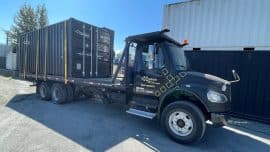
The Ultimate Guide to Renting vs Buying Containers for Farming in BC
Renting vs Buying Shipping Containers for Farming in BC: A Complete Guide. Compare costs, benefits, and customization options to find the ideal container storage solution for your farm — season after season.
Smart Storage for Smart Farming: What BC Farmers Need to Know
British Columbia’s agricultural landscape is as diverse as its climate. From organic produce to dairy, poultry, orchards, vineyards, and floriculture, BC farms run a wide range of operations—and each comes with unique storage demands. Whether you’re a small family-run farm or a large commercial grower, one thing is clear: having the right on-site storage can make or break your workflow.
Shipping containers offer a smart, scalable solution that many BC farmers are already putting to use. But before you start browsing, you’ll need to decide: should you rent or buy your shipping container?
This in-depth guide compares both options, with practical advice tailored to the needs of BC’s farming community. From cost breakdowns and customization to local zoning laws and real farm examples, we’ve got you covered.
Why Farmers in BC Need Shipping Containers
Weather-Resistant Storage for All Seasons
BC’s coastal and inland regions face different climate challenges—from months of rain and high humidity on the coast to dry summers and harsh winters in the Interior. For farmers, that means critical supplies and equipment need year-round protection. Containers can be insulated, heated, or ventilated to ensure safe storage of even the most sensitive items.
Additionally, condensation is a big concern in humid climates. Proper ventilation or dehumidifiers can help reduce moisture buildup that might otherwise ruin crops, seed, or packaging materials. By using insulated or ventilated containers, farmers are protecting thousands of dollars’ worth of goods.
Safe and Secure Storage on the Farm
Unlike standard sheds or barns, steel shipping containers offer built-in durability and lockable doors. They’re wind- and water-resistant, rodent-proof, and tamper-resistant. From fertilizer and seeds to tools and machinery, you can store valuables with peace of mind.
For farms that are spread out over multiple acres, containers can also be placed in satellite locations—minimizing travel time across fields for workers needing tools or feed.
Supports Seasonal Production Cycles
Container storage is easily scalable. Need one unit during harvest and five during winter feed storage? No problem. Renting allows you to scale up and down, while owning gives you permanent infrastructure. Either way, you’re matching your storage footprint to your production rhythm.
Farms that rotate crops or run seasonal workers can also benefit from modular storage—providing not just supply space but potentially even break rooms or mobile wash stations with the right modifications.
Sustainable Storage for Eco-Conscious Farmers
Containers are a form of upcycling—repurposing marine-grade steel boxes instead of building new structures. Many BC farmers value sustainability, and this solution offers durability without new construction waste.
You’re also reducing your reliance on wood and plastic structures that degrade faster and require replacement. Choosing shipping containers is both a green choice and a long-term investment in reducing environmental impact.

Renting Shipping Containers for Farming
Ideal for Short-Term Projects or Seasonal Needs
Need storage during harvest season? Experimenting with a new crop or running a pilot program? Renting gives you what you need—when you need it. It’s a practical approach to short-term flexibility.
More Flexibility for Smaller Budgets
Farms dealing with tight cash flow benefit from the low upfront cost of renting. There’s no large capital investment needed, making it a smart choice for new farm owners or growing operations.
You can also change the type or size of your container each season based on evolving needs. Rent a 20-ft unit one year, then a 40-ft the next—no commitment, just convenience.
Hassle-Free Maintenance
When you rent from Axcess Box, we handle any wear-and-tear issues, container swaps, or maintenance support. This reduces stress and lets you focus on your operation, not logistics.
If your site floods or a door gets jammed, we’re just a call away. You won’t need to worry about upkeep or repair costs.
Clear Monthly Terms and Conditions
Monthly plans come with transparent pricing, defined pickup windows, and no long-term contracts unless you choose them. You also have the option to switch to rent-to-own if the need becomes long-term.
Try Before You Buy
Renting also acts as a low-risk trial run. You can test how a container fits into your workflow before committing to a purchase. This is especially helpful for farmers who are new to container-based storage or who are considering more complex modifications in the future.
Buying Shipping Containers for Farming
When you’re in it for the long haul, buying a container is an investment in infrastructure.
Though the upfront cost is higher, you save significantly after 2–3 years of use. A one-time investment means no ongoing rental fees, and the container becomes a physical asset on your books.
This becomes even more cost-effective when you consider the lifespan of a container—often 15–25 years with basic upkeep. That’s decades of storage without recurring monthly fees.
Freedom to Modify
Buying opens the door to extensive modifications. Think climate control, built-in lighting, electric outlets, work benches, custom partitions, or even solar-powered fans. You’re in full control.
Some farmers even install roll-up doors, skylights, or spray foam insulation to turn their containers into hybrid storage and working spaces.
A Long-Term Farm Asset
Containers can be moved but also fixed in place as a permanent structure. That makes them ideal for long-term storage solutions that add utility and value to your farm.
In areas where building permits are difficult or costly to obtain, containers offer a workaround with less red tape, especially if they remain technically mobile.
Strong Resale Value
Containers maintain value—especially if well-maintained or modified. If you scale down or shift your operation, you can sell your unit locally.
This asset can be moved to a new property, sold to another farmer, or even converted into a workshop, retail farm stand, or pop-up sales booth.
Real Use Cases
From storing bulk feed and grain to housing sensitive irrigation equipment, BC farmers are using shipping containers for far more than just general storage. They make ideal climate-controlled seed vaults, secure processing stations, and even dedicated honey extraction rooms during peak production. Need a place to organize livestock supplements or protect delicate tools from the weather? Containers offer a versatile, scalable solution—tailored to the many moving parts of modern agriculture.
Cost Comparison: Renting vs Buying
Let’s break down the cost difference using a typical 40-ft container.

Examples of Scenario-Based Comparisons
- Small Blueberry Grower in Chilliwack: Rents a container for six months during harvest. Total cost is $900 annually—no need for storage the rest of the year.
- Cattle Operation in Kamloops: Requires year-round feed storage. Buys a 40-ft container for $4,500. Breaks even after 2.5 years versus renting.
- Greenhouse Farmer in Langley: Rents for two seasons, then upgrades to a custom unit. The try-before-you-buy approach saves money on over-customizing early.
Additional Considerations
Transport & Setup Fees: Usually $250–$600 depending on location and terrain.
Maintenance: Minimal for owned containers; covered in rental agreements.
Tax Write-Offs: Owned containers may qualify as capital assets for CCA (Capital Cost Allowance), while rentals are typically considered operational expenses.
Customization Needs
Modifications Allowed When Buying
Buying gives you full freedom to build the container around your workflow. Examples include:
- Electrical wiring for lighting, fans, or equipment
- Spray foam insulation to control interior climate
- Built-in shelving or pallet racks to maximize vertical storage
- Partitioned areas for storing tools separately from feed
Some savvy farmers add roll-up side doors, perfect for rolling forklifts straight in and out without missing a beat. Others have turned their containers into hybrid offices or high-tech mobile seed labs, proving that a shipping container isn’t just storage, it’s the ultimate farm upgrade.
Layout & Workflow Examples
- Mixed-Use Interior: Front half stores packaging; back half has a wash station.
- Tool Room + Feed Bay: Create sections for quick access to daily-use supplies.
- Temperature-Controlled Section: Install divider walls and insulation to maintain specific zones.
Limitations When Renting
When renting, most containers need to stay as they came—no structural changes allowed. You’re welcome to use magnetic hooks, adhesive LED strips, or freestanding racks to organize your space, but drilling, welding, or any permanent modifications are off-limits.
So, if you’re thinking you’ll need temperature control or custom workflow setups down the road, buying might be the better long-term move.
Delivery, Setup, and Maintenance
Axcess Box’s Delivery Process
We handle the heavy lifting. Once your order is confirmed, our team:
- Assesses site access and terrain
- Schedules a convenient delivery window
- Uses tilt-deck or crane services to place containers accurately
- Ensures stability and alignment during setup
Delivery is usually complete within 2-3 business days depending on availability and region.
Who Handles What?
Renters: Axcess Box covers all container maintenance, structural issues, or wear-and-tear replacements.
Buyers: Responsible for upkeep. Recommended: inspect seals annually, repaint every 5–7 years, and maintain drainage.
Storage Yard Options
Don’t have the space to keep your container on the farm? We offer secure off-site container storage for seasonal usage. You can access it anytime or schedule on-farm delivery when needed.
Regulatory and Zoning Considerations for BC Farms
Zoning and Permit Basics
BC’s rules can vary depending on your municipality, but in general:
- Temporary Use (under 12 months): Often exempt from permits
- Permanent Installations: Usually require a development or building permit
Common Permit Triggers
Some activities commonly require permits when placing shipping containers on farms. These include connecting the container to electrical power, fixing the unit permanently to a concrete pad, or modifying its exterior appearance—especially within Agricultural Land Reserve (ALR) zones. Because regulations vary, it’s important to check with your local government or the agricultural land commission for specific guidelines.
Axcess Box is also available to assist with any documentation or site plans you may need to help navigate the permitting process smoothly.
Recommendations
To avoid complications and ensure your container lasts, maintain a buffer of 1 to 2 meters from property lines. It’s best to avoid placing containers near flood-prone areas or close to irrigation systems. Installing the container on a gravel or concrete pad can greatly improve its longevity and stability.
Case Studies from BC Farms
Bright Greens Canada – Saanich, BC: Revolutionizing Urban Farming
Bright Greens Canada, founded by Tamara Knott, is a pioneer in BC’s urban agriculture scene. Operating out of a refurbished 40-foot shipping container, this innovative farm uses advanced hydroponic systems with vertical growing towers and energy-efficient LED lighting. The result? Year-round production of leafy greens like six varieties of lettuce, kale, and flat-leaf parsley — all grown with 90% less water than traditional soil farming.
This container farm is fully automated, which reduces labor and improves consistency, making it possible to supply local restaurants, caterers, and grocery stores with fresh, high-quality produce even through BC’s rainy winters. Bright Greens Canada’s success highlights how shipping containers can turn small urban spaces into sustainable farming hubs with a low environmental footprint.
BaleBox – North Okanagan, BC: Simplifying Hay Storage and Delivery
BaleBox is a smart solution introduced by Black Isle Farms that addresses one of the biggest headaches for livestock farmers: hay storage and delivery. Using weatherproof and pest-resistant 20-foot shipping containers, BaleBox delivers and stores up to 144 square bales directly on farms. This system eliminates the need for farmers to stack hay by hand, saving time and reducing physical strain.
Farmers appreciate that the containers remain on-site for the entire feeding period, providing easy, secure access to feed. The durability of these containers protects hay from moisture and pests, which is essential in BC’s variable climate. BaleBox shows how containerized solutions can improve efficiency and animal health through better feed management.
GAP Can – North Saanich, BC: Portable, Certified Infrastructure for Small-Scale Growers
James Ty of GAP Can has developed modular shipping container units tailored for small-scale farmers who need affordable, portable infrastructure. These 10-foot container units function as vegetable packing stations and cold storage facilities, fully compliant with CanadaGAP certification standards, ensuring food safety and quality.
The units are CSA-approved and designed for easy road transport, making them ideal for farmers leasing land or moving between sites. This flexibility supports growers who want professional-grade infrastructure without a permanent facility. GAP Can’s approach illustrates how shipping containers can democratize access to essential farming infrastructure, empowering smaller operators to compete in the market.
Conclusion: Should You Rent or Buy?
Choose Renting If:
- Your needs are short-term or seasonal
- You want predictable monthly payments
- You’re testing storage in your workflow
- You want maintenance included
Choose Buying If:
- You need permanent or year-round storage
- You plan to customize the unit
- You want long-term cost savings
- You want to build infrastructure equity
Still deciding? Don’t sweat it. Axcess Box helps BC farmers choose the right path, every time. Our experts will walk you through rental terms, container specs, and modification options—so you can make a decision that suits your land, budget, and future.
Ready to make your move?
👉 Need the perfect container for your farm? Get expert advice and a free quote from Axcess Box today.
FAQs
What size container is best for agricultural storage in BC?
Great question! If you’re storing smaller tools, seeds, or equipment, a 20-foot container usually does the trick. For bigger gear like tractors, hay bales, or large packaging volumes, a 40-foot container offers plenty of space. Need even more room? You can stack containers or place them side-by-side to create a modular setup that grows with your farm.
Can I modify a rented shipping container on my farm?
You can make some light, non-permanent tweaks to rented containers—think shelving, adhesive lighting strips, or hooks. But anything permanent like cutting, welding, or insulating isn’t allowed. If you want full control over customizing your space, buying a container is definitely the smarter move.
How long can I rent a farm container from Axcess Box?
Flexibility is key here! Whether you need a container for just a month or a full season—or even longer—we’ve got you covered. Our rental agreements are designed to fit your farming calendar and evolving storage needs, so you can keep things as short or long term as you want.
What are the benefits of buying vs renting storage for BC agriculture?
Buying a container means you own it outright, giving you control to customize and the potential for long-term cost savings. Renting, on the other hand, offers a lower upfront cost, hassle-free maintenance, and the flexibility to adjust as your storage needs change. Your best choice depends on how you plan to use the container and for how long.
Are permits required to use shipping containers on farms in BC?
It depends! Some local governments require permits if you’re setting up a permanent container on your property. Temporary or seasonal containers often don’t need permits, especially in rural areas. It’s always a good idea to check with your municipality’s zoning office. If you need help navigating the rules, Axcess Box is here to guide you every step of the way.