Shipping Container Restaurants – Mobile & Custom Kitchens
Shipping Container Restaurants: Food Trucks, Pop-Ups, and More. Turn steel boxes into sizzling container restaurants—flexible, funky, and serving up serious flavor.
Introduction: Big Ideas, Small Spaces—Why Container Restaurants Are Heating Up
Over the past few years, the food scene has gone through a major transformation. We’re seeing more chefs, entrepreneurs, and brands ditch the traditional brick-and-mortar model for flexible, mobile, and design-forward alternatives. At the centre of this shift? Shipping container restaurants.
From sleek pop-ups and container food trucks to permanent cafés with patio seating, these steel boxes are rewriting the rules of what a restaurant can be. Why? Because they’re cost-effective, fast to set up, endlessly customizable, and surprisingly stylish. In places like Vancouver, Toronto, and Calgary—where real estate is sky-high and food culture is booming—shipping container restaurants are opening doors (and hatches) to creative dining experiences that customers actually remember.
Whether you’re launching a street food brand, scaling a catering business, or just looking to serve up something different, container kitchens make smart business sense. Let’s dive into how they work, why they’re trending, and how Axcess Box can help you turn your culinary vision into a reality.
Why Choose a Shipping Container for Your Restaurant?
Lower Overhead, Faster Launch
Starting a traditional restaurant involves significant capital: long-term leases, costly renovations, drawn-out construction, and unexpected expenses that can derail a launch before you even open your doors. In contrast, a container restaurant offers a much leaner path to market. Whether you’re purchasing a brand-new container or refurbishing a used one, the structure itself comes pre-formed. This saves time on construction and reduces the need for architectural work or structural engineering.
Plus, you’re not paying for unnecessary square footage or features you don’t need. The more focused footprint encourages thoughtful design and better budgeting. The faster timeline means you can start generating revenue sooner, which significantly improves your return on investment. For startups and small businesses, this can mean the difference between launching or waiting another year.
Modular and Scalable
One of the standout benefits of container kitchens is how effortlessly they scale. Starting with a single unit? No problem. If your business grows, you can add a second container for food prep, increase your storage, or even create a customer seating area. Expansion doesn’t require shutting down or moving to a bigger location—you simply add on or reconfigure.
This flexibility is especially useful for brands testing new markets, launching seasonal operations, or planning phased growth. You can pilot a single container in one city, then replicate it in others with consistent design and branding. This kind of scalability makes containers a smart choice for franchises or businesses that want to keep operational consistency without the cost of opening a full restaurant each time.
Built for Canadian Weather
Shipping containers are engineered to endure harsh marine environments. That means they’re already primed to withstand Canada’s diverse and often extreme weather. With strategic modifications like high-quality insulation, efficient HVAC systems, and durable exterior coatings, your restaurant can operate through winter snow, spring rain, and summer heat.
Whether you’re on the windy coasts of the Maritimes, the snow-laden streets of Whistler, or the wet winters of Vancouver, these units can be outfitted for year-round use. For businesses aiming to maintain steady income regardless of season, this weather resistance makes containers a practical and cost-effective investment.

Popular Shipping Container Restaurant Models
Full-Scale Restaurant
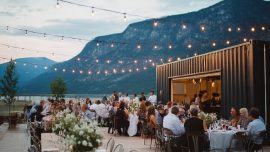
Imagine a stylish sit-down space with indoor seating, kitchen, and patio—all inside (and around) a few modified containers. Interior finishes can rival any chic café or bistro, with polished counters, natural wood, stainless steel kitchens, and custom lighting. These setups work well for businesses that want a permanent location without the cost or commitment of traditional construction. They can also help activate underused lots or revitalize a public space, creating community hubs that feel inviting and unique.
Compact Container Food Trucks
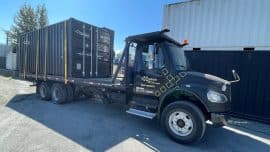
For chefs on the move, a single-container kitchen acts as a high-performance food truck with far more room to work. These compact units are perfect for urban parking lots, breweries, event grounds, and pop-up patios. They give you more branding space than a standard food truck, plus room for better equipment, storage, and workflow.
With wheels or a trailer base, they remain mobile. But with the added square footage, you can increase your menu complexity, serve more customers per hour, and stand out from the crowd.
Pop-Up Containers for Events & Festivals
Festivals and markets can be hectic, with thousands of hungry attendees and limited setup time. A shipping container pop-up solves both issues. These units are pre-configured, easy to transport, and can be deployed in a matter of hours. Once placed, they operate like a full-service kitchen with all the functionality you’d expect from a brick-and-mortar setup.
Add retractable signage, outdoor counters, or shade structures and you’ve got a setup that attracts attention and drives serious volume. These containers are especially popular at seasonal events, night markets, and food and wine festivals.
Hybrid Seasonal Concepts
One of the best ways to get year-round value from your container is by designing a hybrid operation. In summer, serve from a beachside or downtown location. When colder months hit, transition to catering, delivery, or food prep services from the same unit in a warehouse or event facility.
Hybrid containers allow you to pivot with the seasons, reducing downtime while staying profitable. This strategy is perfect for operators with flexible menus or those who work with seasonal ingredients or tourist traffic.
Design & Layout Considerations
Make Every Square Foot Count
When space is limited, design becomes critical. Galley-style layouts help streamline workflow between prep, cook, and service areas. Vertical storage can be used to keep ingredients and equipment accessible but out of the way. Fold-down tables, magnetic shelving, and built-in drawers can turn tight quarters into a highly efficient kitchen. Investing in thoughtful design during the planning phase ensures your team can move comfortably and safely during peak hours.
A good layout doesn’t just support food quality and speed—it protects your staff from fatigue and inefficiency.
Service Windows & Access Points
Placement of service windows and doors directly impacts how well your restaurant functions. High-traffic events call for fast, efficient order taking and delivery. Flip-up service windows, sliding panels, or multiple access points allow you to serve more guests while keeping internal movement flowing smoothly.
You can even create separate pickup and order lines, especially for mobile or app-based ordering. These details make your operation faster and your customer experience smoother.
Outdoor Seating Integration
Because your container space is limited, creating an outdoor environment can enhance both ambiance and capacity. A wooden deck, a covered seating area, or even simple picnic tables with umbrellas can add value to your dining experience. These spaces encourage customers to linger longer and create a more welcoming atmosphere.
Outdoor seating is also a smart way to comply with physical distancing regulations and boost revenue without having to increase your internal footprint.
Utilities & Infrastructure
A container kitchen can house everything a traditional kitchen can—if properly planned. Power lines, plumbing, water tanks, gas connections, and HVAC units are all adaptable to the container format. Whether you’re tying into an existing municipal system or going fully mobile with generators and water tanks, it’s all doable with the right setup.
Axcess Box helps configure infrastructure to suit your business model, whether it’s plug-and-play, off-grid, or somewhere in between.
Equipment & Fixtures for a Container Kitchen
Commercial-Grade Kitchen Gear: We’re talking everything from flat tops and fryers to convection ovens and espresso machines. Your container kitchen can be equipped like any other commercial restaurant—just tailored to your menu and volume.
Storage & Refrigeration: Smart cold and dry storage setups are key. Undercounter fridges, wall-mounted racks, and space-saving walk-ins can all be built in without crowding your crew.
Waste & Water Systems: From greywater tanks to grease traps, a mobile kitchen needs systems in place to keep things clean and compliant. It’s crucial to design layouts that include essential sanitation systems without taking up too much space.
Fire Safety & Ventilation: Every commercial kitchen needs proper hood vents, fire suppression systems, and CO2 detectors. Container kitchens are no different—and Axcess Box ensures your setup checks every box.
Regulatory & Health Code Compliance
Permits & Zoning
Before you fire up the grill, you’ll need to clear the paperwork. Depending on your location, that could include business licenses, zoning clearance, and health department approvals. Municipalities like Vancouver, Burnaby, and Surrey all have specific mobile food regulations—Axcess Box can help you navigate them.
Health & Food Safety
Expect the same standards as any restaurant: handwashing sinks, non-slip floors, proper food storage, and sanitization procedures. We design your container kitchen to meet local health codes from day one.
Building & Fire Code Compliance
Each unit must meet structural and fire safety requirements, especially if you’re adding utilities or public-facing elements. Our team works closely with engineers and inspectors to make sure everything is above board.
Customization Options
Make It Yours
Branding plays a huge role in customer experience. We offer exterior customization like murals, bold color schemes, signage, and cladding that makes your container recognizable and on-brand. From rustic and industrial to clean and minimal, the aesthetic is entirely up to you. You’re not just launching a kitchen—you’re creating an atmosphere. And we help you bring it to life!
Build for Comfort
Containers don’t have to feel cold or industrial. With the right finishes, you can create a warm, inviting environment for both staff and guests. Wood accents, insulation, windows, soundproofing, and lighting upgrades make all the difference. Comfort translates to longer stays and happier staff — that shows in your bottom line!
Smart Add-Ons
Looking to push your container even further? Think rooftop gardens, digital menu boards, security cameras, Wi-Fi boosters, or even solar panel systems to power lights and appliances. These custom features add operational efficiency and customer appeal!
Real-Life Examples of Container Restaurants
Vancouver: Batch on Plaza – A Seawall Sip Spot
Batch on Plaza is a pop-up bar housed in a 10×20-foot shipping container located at the Plaza of Nations, just steps from Vancouver’s False Creek Seawall. This seasonal spot offers a rotating selection of local food trucks, craft beers from 33 Acres Brewing, and live entertainment, including open mic nights. It’s a cozy, community-focused venue that transforms a transitional urban space into a vibrant gathering spot.
Kelowna: Okanagan Crush Pad Winery – Elevated Tasting Experience
While not a traditional restaurant, Okanagan Crush Pad Winery in Summerland, BC, utilizes shipping containers to create a chic, industrial tasting room. The ground-level tasting area features an open concept with sliding glass patio doors that open to a lounge area, offering panoramic vineyard views. The upstairs office space is designed to accommodate windows at both ends and a large landscape-sized window on the front, bringing in natural light and showcasing the surrounding scenery.
Toronto: Cherry St. Bar-B-Que – Smoked Meats in a Container
Cherry St. Bar-B-Que, located in Toronto’s Port Lands, operates a barbecue restaurant where all of its barbecue offerings, including Texas-style brisket and St. Louis-style ribs, are smoked using white oak on the patio inside a redesigned shipping container. This innovative use of space earned the restaurant a Bib Gourmand recognition from the Michelin Guide in 2022, highlighting its exceptional food at moderate prices.
Budget & Cost Estimates
What You’ll Spend
- Used 20-ft container: $4,000–$6,000
- New or one-trip 20-ft container: $6,000–$8,500
- Fit-out & equipment: $25,000–$75,000 depending on needs
- Additional add-ons (like decking, signage, etc.): Variable
- Operational costs: Lower than traditional restaurants thanks to compact size and lower overhead
Every project is unique—Axcess Box helps you plan a budget that aligns with your goals and growth plans.
Why Work with Axcess Box?
We Know Containers
We’ve helped businesses across Canada transform containers into dynamic restaurant spaces. Whether you’re looking for a seasonal unit, a permanent food hub, or a scalable franchise design, we’ve got the expertise to build it right.
Canada-Based, Canada-Smart
We know how to build for Canadian codes and climates. From Alberta snow loads to BC coastal rain, we’ve designed for every region and regulation. You don’t have to guess—we guide you every step of the way.
Flexible Options
Our options include rent, rent-to-own, and fully custom solutions. You can start small and scale smart. Whether you’re ready to go or still exploring your concept, Axcess Box is here to help make it real.
Conclusion: Start Serving Smarter
Shipping container restaurants are reshaping the way we eat out—offering freedom, flexibility, and a future-forward dining experience. Whether you’re dreaming up your first pop-up or scaling a street food empire, Axcess Box is here to make it happen.
Ready to bring your concept to life?
👉 Start your container restaurant project today – get a free quote from Axcess Box.
FAQs
What permits do I need to open a container restaurant?
Opening a container restaurant requires several permits and approvals to operate legally and safely. You’ll generally need a business license, health department permits, and building permits. Additionally, zoning regulations vary by municipality, so you might need approval to place your container in a specific location. Cities like Vancouver, Burnaby, and Surrey have unique rules around mobile and modular food businesses. It’s important to check with your local government early in the planning process. Don’t worry—Axcess Box can help guide you through the maze of paperwork to ensure you’re fully compliant before you open your doors.
Can I use a shipping container as a commercial kitchen?
Yes! Shipping containers can be fully outfitted as commercial kitchens that meet health and safety standards. With proper insulation, ventilation, and commercial-grade kitchen equipment, a container can handle everything from prep to cooking and serving. Whether you’re frying, baking, or brewing coffee, these kitchens can be designed to support your menu and workflow efficiently. They’re a smart, compact alternative to traditional kitchens, especially when space and budget are limited.
How much does it cost to build a container food truck?
Building a container food truck typically starts at around $25,000 for a basic setup. This includes purchasing or leasing the container, fitting it with kitchen equipment, and adding necessary utilities like electricity and water. Costs can increase based on your menu requirements, branding, mobility features like wheels or trailers, and any custom design elements. While this investment might seem substantial, container food trucks generally cost less than traditional food trucks and can offer more space and flexibility. Axcess Box can help you tailor your project to fit your budget and business goals.
Are container pop-up restaurants allowed at festivals?
Yes, container pop-up restaurants are increasingly popular at festivals across Canada. They offer a durable, attractive, and easily transportable way to serve food at high-traffic events. However, festival organizers often require that all food vendors meet health and safety standards, including proper sanitation, food storage, and fire safety. Temporary permits or event-specific approvals might also be necessary. Because container units are modular and quick to set up and remove, they are a great fit for the fast pace of festival seasons.
Can shipping container cafes connect to utilities on-site?
Definitely. Shipping container cafes can be hooked up to municipal utilities such as water, electricity, and natural gas for a smooth, permanent operation. Alternatively, for remote or temporary locations, these units can also run off-grid using generators, propane tanks, and water storage systems. The best choice depends on your site and needs. At Axcess Box, we help design your container with the right infrastructure to keep your cafe running efficiently, no matter where you are.